
SOLUTION
Financial Services

Stay Ahead of Regulations
Keep pace with evolving requirements by streamlining compliance across DORA, FCA, and other supervisory regimes.
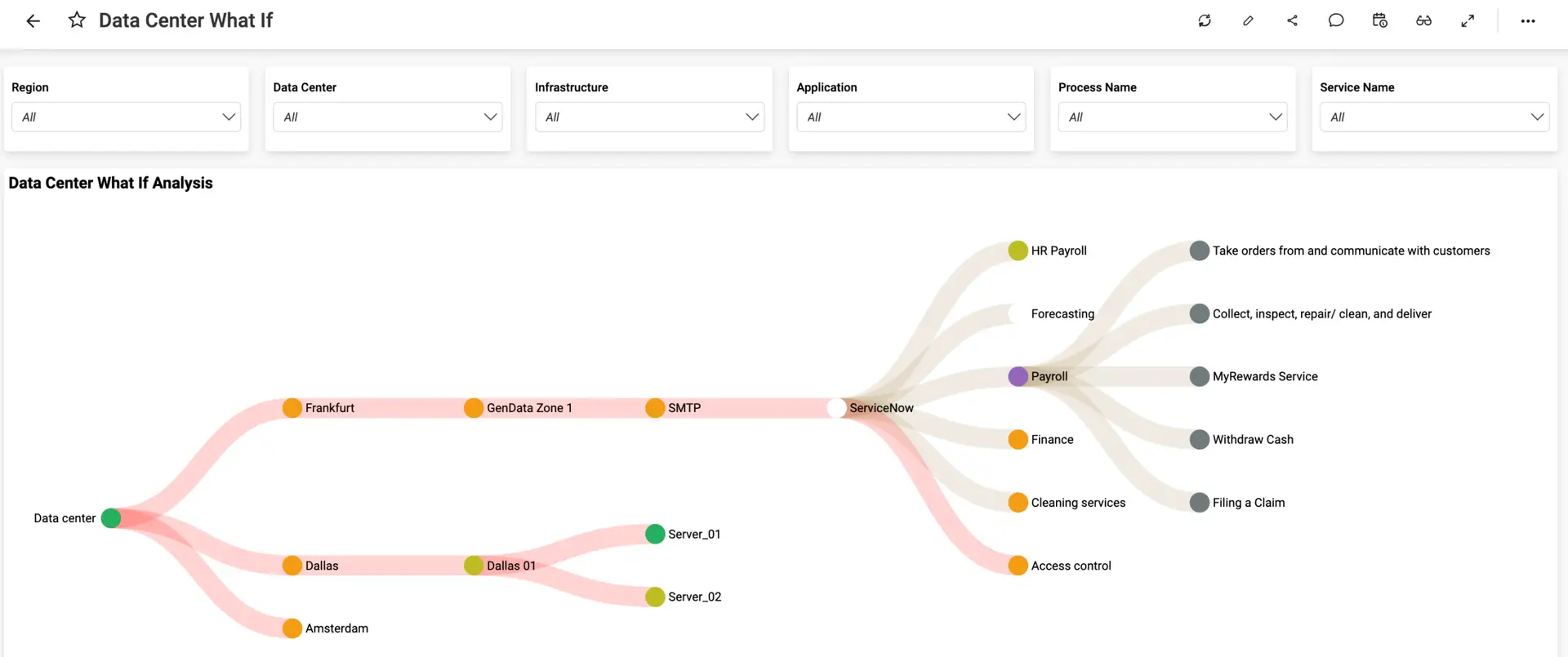
CLDigital 360 helps you map dependencies, test impact tolerances, and automate reporting to give regulators the assurance they expect while reducing the internal burden of manual oversight.
“Our business is global and changes daily. The ability to easily move plans and folders within CLDigital with no coding saves us a ton of time every year.”
Chief Information Officer
- Large Insurance Company (UK)
“CLDigital gave us real-time visibility and control, bringing risk and compliance into one coherent view.”
Chief Risk Officer
- Global Financial Institution (UK)
“We replaced dozens of spreadsheets and legacy systems with one intuitive dashboard with no code required.”
Enterprise Risk Manager
- U.S. Healthcare Organization
Resilience as Differentiator
Move beyond “checking the box” on compliance by making resilience part of your growth strategy.
By aligning continuity and regulatory readiness with performance goals, you not only protect operations but also strengthen market trust, improve agility, and position your organization as a leader in resilient finance.
BENEFITS
DORA & FCA Compliance
Unified Resilience
Minimize Financial Impact
Competitive Advantage
Build competitive advantage by making resilience a differentiator.
New to resilience planning or need specific details? This section covers your most common questions.
Operational Resilience Definition
Operational resilience is the strategic ability to deliver critical services even during a major crisis, shifting the focus from simply preventing failures to absorbing them. It moves beyond traditional disaster recovery by assuming disruptions are inevitable and instead prioritizes impact tolerances—the maximum downtime a service can handle before causing systemic harm. By mapping dependencies across people, technology, and third-party vendors, a resilient organization ensures that even when specific systems fail, the core mission and customer experience remain intact.
Five Pillars of Operational Resilience
- Establish clear governance and accountability.
- Identify critical business services and prioritize them.
- Map dependencies across people, processes, technology, and third parties.
- Set impact tolerances for each critical service.
- Test, monitor, and improve resilience through scenarios and continuous review.
Building Operational Resilience in Financial Institutions
- Define your critical business services and the outcomes customers rely on.
- Map internal and third-party dependencies that support those services.
- Set impact tolerances aligned to DORA, FCA, and your risk appetite.
- Run scenario testing and use results to remediate gaps and improve controls.
- Use CLDigital 360 to centralize reporting, automate evidence capture, and maintain audit-ready documentation.
FAQ
Solution FAQs
What makes resilience difficult for financial services?
How can software help financial organizations manage risk and resilience?
Risk and resilience software centralizes compliance reporting, runs impact tolerance tests, and ties continuity planning to business performance. With these capabilities, simplifying compliance demands becomes easy, while also ensuring your institution remains secure, resilient, and prepared for whatever comes next.
What is at stake when resilience falls short?
GET STARTED
Let's Connect
Discover how our platform can help you achieve better outcomes and you prepare for what’s next in risk and resilience.